Over the weekend, our youngest celebrated her 4th birthday. This child has always had a deep love for all things animals and especially bunnies. Last year we even rented a bunny for a week. This year, we opted for a mobile petting zoo (Party Animals) that brought the animals to our backyard for a couple of hours. My daughter was over the moon (as were the rest of us) as they herded in the goats, set up enclosures for bunnies and silky chickens, and trotted the pony up our front yard. The kids got all the pony rides their hearts desired and bopped back and forth between the various enclosures to soak in all the animal goodness.
At one point, my mom walks over to me to point out my son, happily holding a silky chicken. “I’ve never seen him more calm!”
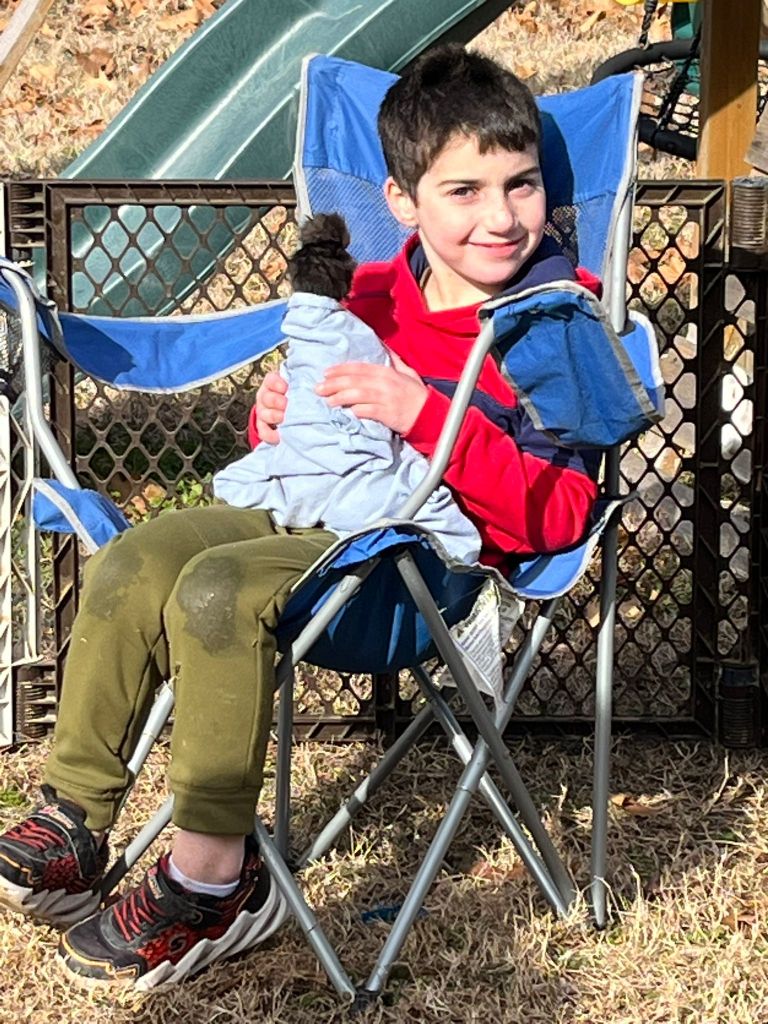
My son, looking forward to his 7th birthday in a couple of weeks, is by far the most hyperactive of our children. Thus far, he has also had the biggest struggles with emotional regulation and navigating his world. Her comment struck me because, with all of the excitement of the birthday party, we forgot to give him his ADHD meds that morning!
Starting in preschool, we began taking him to a social skills group through the phenomenal organization, Building Connections. The summer before he went to Kindergarten, they relocated to a farm in Youngsville, NC. With this move, they were able to bring in all sorts of animals and leverage them for therapeutic purposes. Over the years that we have been sending him, he has bottle fed baby goats, collected chicken eggs, rode Dottie the horse, learned to read subtle cues of frustration or love, and has developed a true respect for these animals. At the birthday party this weekend, all that practice shone through. Even without the meds, the animals regulated his nervous system in the most magical way.
In light of our experience this weekend, I wanted to take a moment to share some of the very real benefits of animal therapy for neurodivergent children.
Animal Therapy for Neurodivergent Children
Animal therapy can offer a variety of benefits for neurodivergent children, helping them in both emotional and physical ways. Here are some key advantages:
- Emotional Regulation: Animals can provide a calming presence for children who struggle with anxiety, stress, or emotional regulation. The unconditional love and nonjudgmental nature of animals can help children feel safe and supported, which can improve their mood and emotional stability.
- Social Skills Development: Interacting with animals often encourages social interaction, whether it’s with the therapist, the animal itself, or even peers. It can also help children with social anxiety or communication challenges to practice turn-taking, empathy, and appropriate social behavior in a more relaxed setting.
- Improved Focus and Attention: Animals can help children stay engaged in therapeutic activities. For children with ADHD or other neurodivergent conditions, the presence of an animal can make therapy sessions more engaging, as animals can be motivating and provide something tangible to focus on.
- Sensory Integration: For children with sensory processing challenges, interacting with animals can provide sensory input in a controlled and positive way. The texture of fur, the sound of a pet, and even the movement of the animal can engage the child’s senses, helping them process sensory information more effectively.
- Building Responsibility and Confidence: Taking care of an animal, even in small ways, can help neurodivergent children develop a sense of responsibility and accomplishment. It can boost their confidence when they see their actions result in positive outcomes, like making the animal happy or teaching it a new trick.
- Strengthening Communication Skills: Animal therapy can enhance both verbal and non-verbal communication skills. Children may find it easier to communicate with an animal than with people, which can help them practice using words, gestures, or other forms of communication in a safe and encouraging environment.
- Increased Motivation: Sometimes, having an animal involved in a therapeutic process can make tasks and activities more motivating for children, as they may feel more inclined to participate when there’s an animal they care about involved. This can be particularly helpful for children who might otherwise have difficulty engaging in typical therapy routines.
Overall, animal therapy can be a valuable tool in a comprehensive treatment plan for neurodivergent children, offering both immediate emotional benefits and long-term developmental gains. Is it the only solution? No. But we’ve found it to be a wonderful addition to our toolbox that has helped our son immeasurably.
Living in Raleigh, NC, we have so many farms within a 20-30 minutes with ample opportunities for animal interaction. If you’re looking for a supportive community for your neurodivergent family, consider Building Connections. If you’re just looking for some weekend fun, you could check out Planet Peace Farm in Raleigh, Spring Haven Farm in Chapel Hill, Avery Family Farm in Durham, or any of countless others.
 The ADHD Parent Peer
Leave a comment